The Hidden Battle
“I swear I’m not crazy,” I repeated, whispering it like a broken record into the silence.
The words felt hollow each time they left my lips.
When you start forgetting things – when your thoughts scatter and slip away mid-sentence, when flashes of light appear before your eyes that no one else can see, when your legs refuse to cooperate as if you’re trying to walk through sand – it’s hard not to wonder.
At first, they were just minor signs: a metallic taste, flickers of light like the lightning of a distant storm, an eye that drifted, a twitch here or there. But those quiet whispers quickly turned into a tidal wave of symptoms:
Eye spasms that jerked my vision unpredictably.
Blurry vision that felt like staring through fog.
Photophobia that made the world seem too bright, too sharp.
There was nausea that clung to me, fatigue that sank into my bones like lead, and dizziness that never seemed to end. And it wasn’t just physical. The fog that clouded my thoughts felt suffocating. The confusion wasn’t just in my head – it was in my entire body.
I kept track of everything.
I scratched notes into journals, sent texts to myself in the middle of the night, filled binders with what I hoped might be proof. Each scribble on paper became a lifeline. My handwriting deteriorated with each passing day. My sentences grew shorter, more fragmented. My memory vanished like water slipping through sand.
It was exhausting to keep up, but I did. Because if I didn’t write it down, I feared I would forget. And if I didn’t track it, how could anyone else believe me?
That’s when the dismissals started.
“You look fine,” they would say.
“Maybe it’s just stress.”
Invisible wounds breed visible doubt – and I was drowning in both.
The words from those around me felt like nails driven into my already fragile sense of reality.
I wasn’t just hurt. I was disbelieved.
But no one tells you that the most challenging part isn’t the pain – it’s the disbelief.
When people start doubting what you’re going through, you start doubting yourself. You begin to wonder if you’re imagining it all, if you somehow became the problem. You start silencing your own voice because you’re afraid it might be wrong.
And when you’re drowning in that kind of doubt, writing becomes the only way to scream.
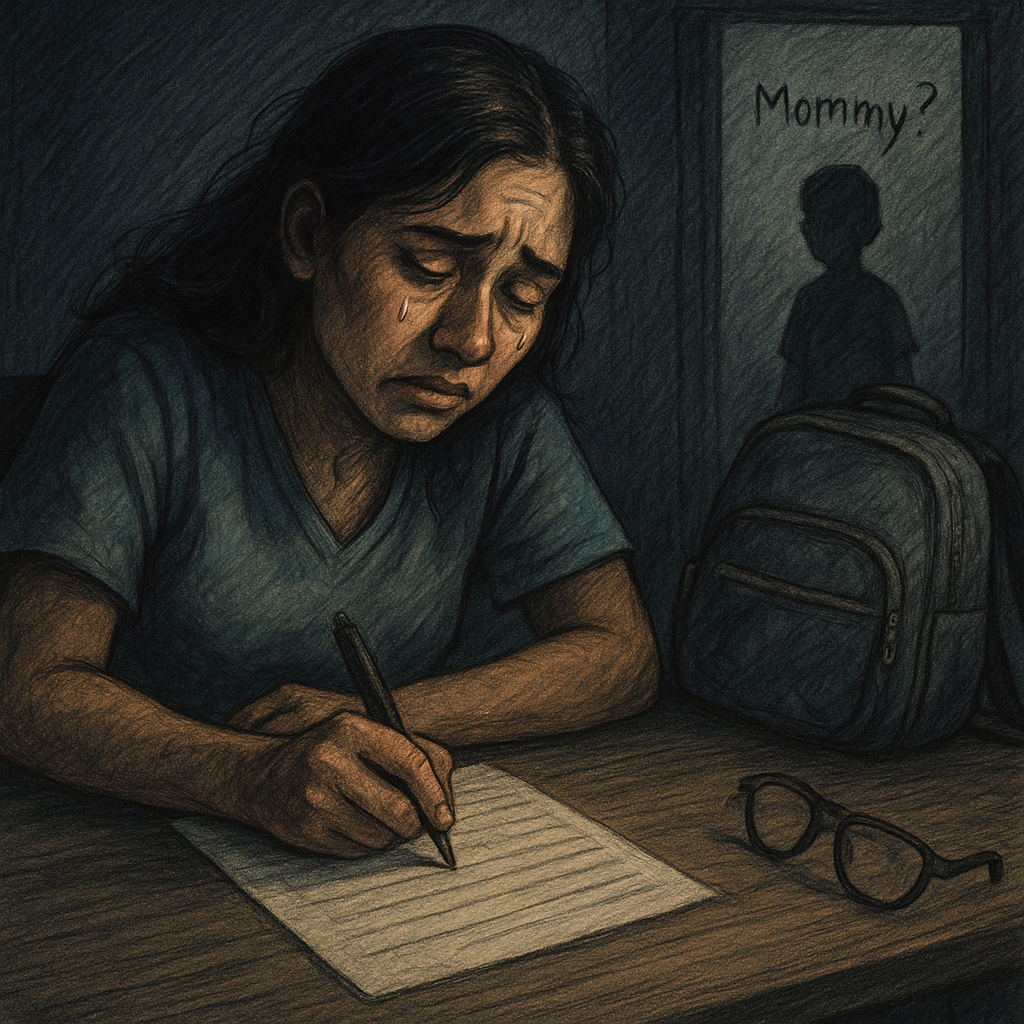
I remember one night in particular, when I was sitting at my kitchen table. My hand trembled as I tried to write. The pen felt heavier than it should have. I couldn’t even hold it steady. I was trying to write anything, but the words escaped me.
I stared at my son’s backpack. I tried to recall the word “backpack,” but it was gone – just gone.
I pointed at it, hoping the word would materialize in my mind, but nothing came.
My son, only a few feet away, noticed. His little voice cut through the silence:
“Mommy?”
I smiled, but it wasn’t real. It wasn’t the smile I had used a thousand times before. It was a desperate shield against the truth I couldn’t hide.
“School purse,” I wrote down. That was what I called it. And in that moment, it was the only label I could give it.
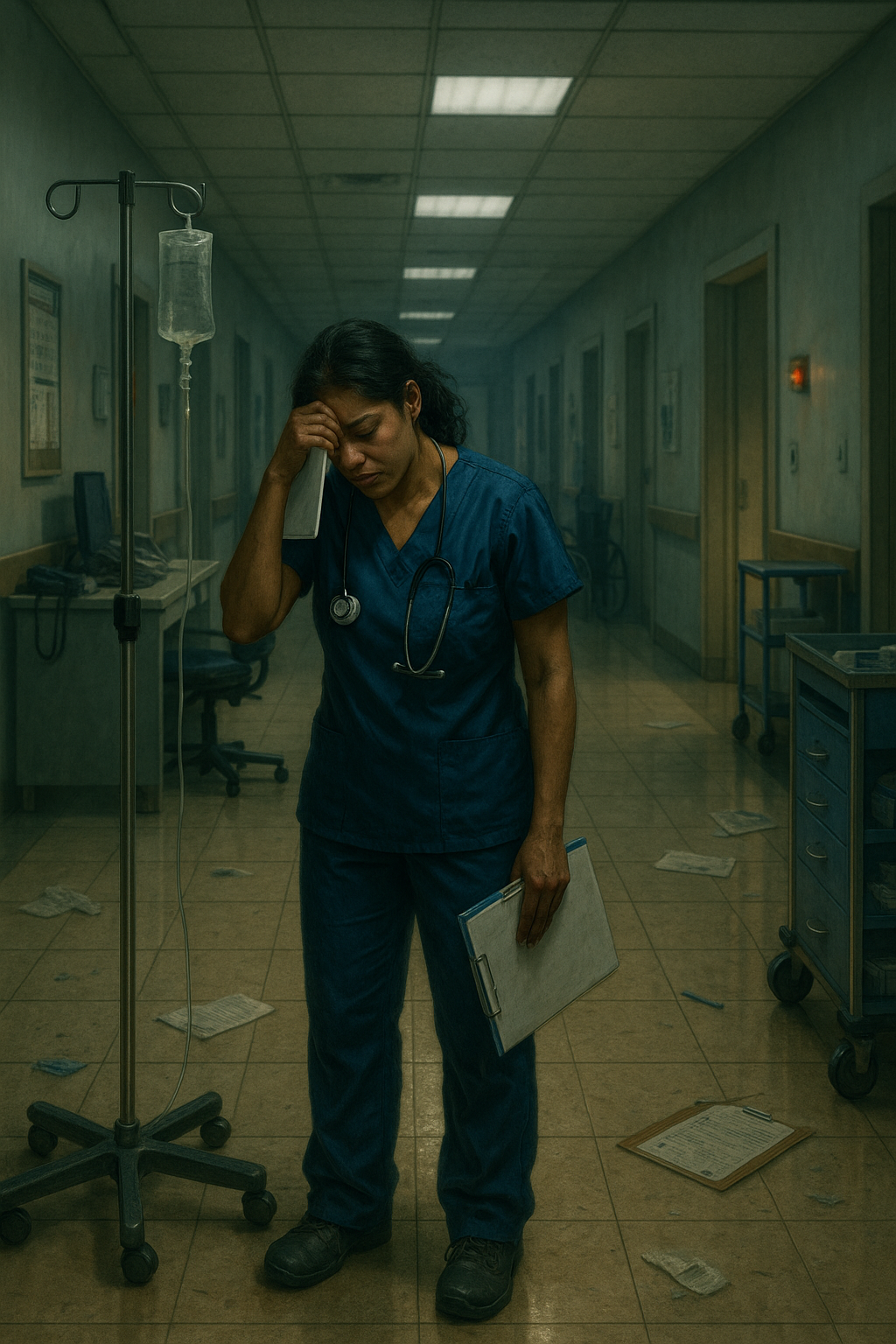
The absurdity still stings. I had been trained to see the signs in others. I knew what to look for – slurred speech, difficulty balancing, confused eyes. But when it was me – when I was the one falling apart, I couldn’t use the same tools I had relied on so many times.
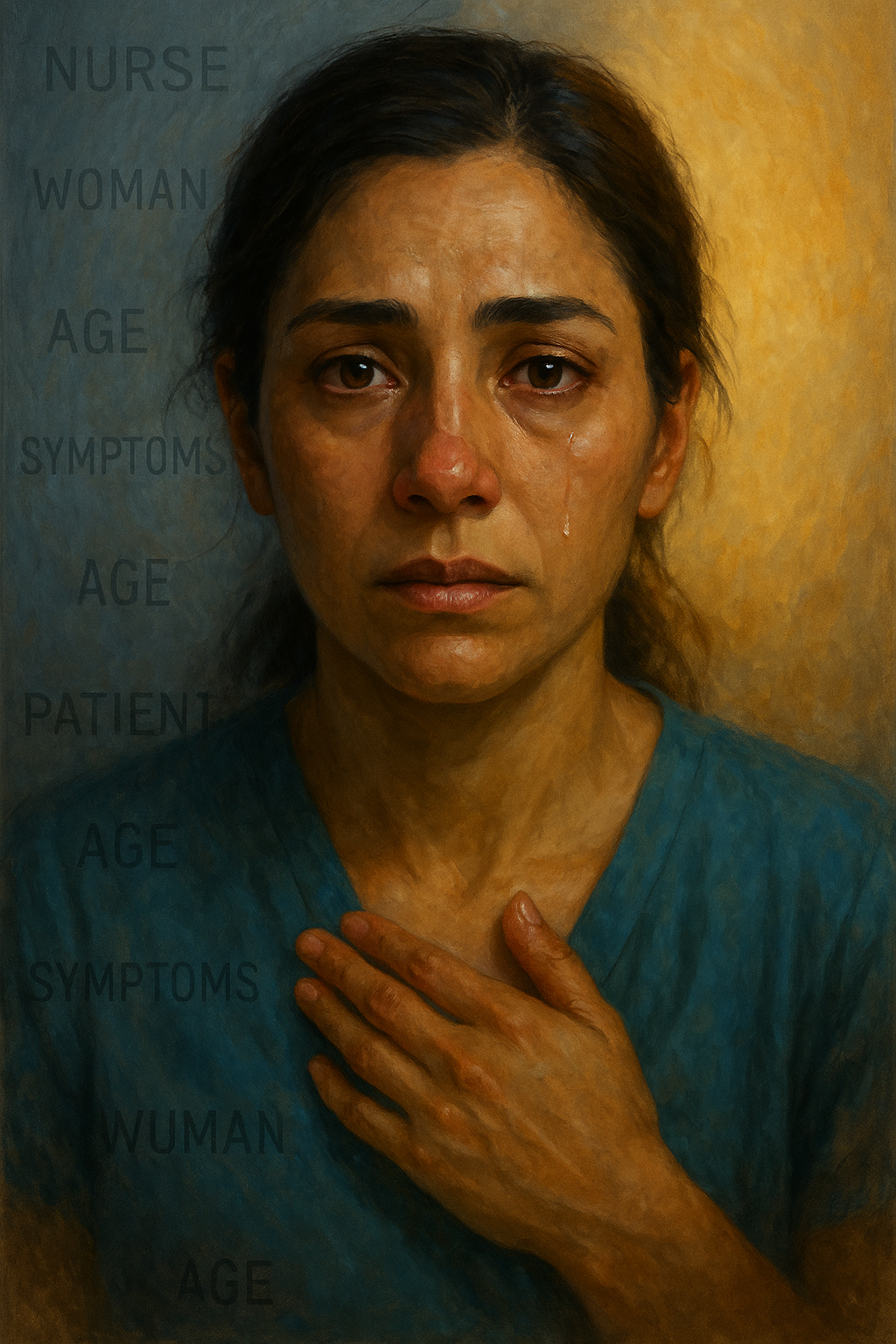
The nurse inside me screamed that something was wrong.
The patient inside me was terrified, unsure how to ask for help.
My injury wasn’t visible. However, the effects and consequences were undeniable.
It wasn’t just the physical toll. It was the mental erosion, the moments of losing myself to confusion, and the struggle to hold on to anything that felt real.
But what hurt the most was the disbelief – the way I became the patient no one wanted to see, even when I knew something was terribly wrong.
The injury was invisible.
But the consequences? They were all too real.



Leave a Reply